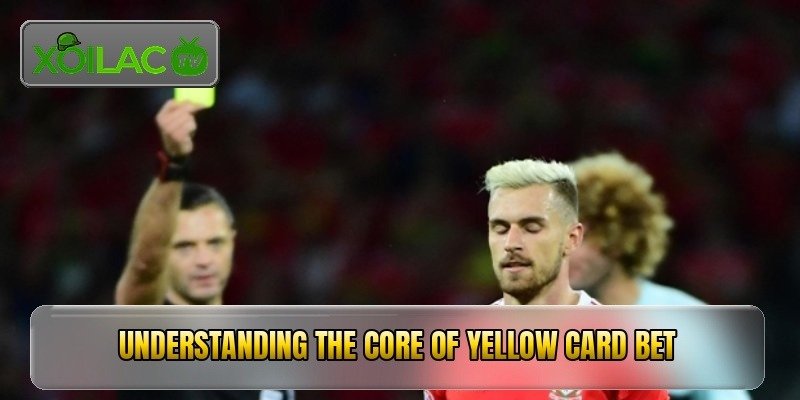
Yellow card bet is a specialized wagering category where brothers focus on the total number of cautions shown by the referee. Getting started requires brothers to access the link vào xoilac to observe how specific officiating styles directly impact these outcome results.
Understanding the core of Yellow card bet
Understanding the core of Yellow card bet
The fundamental concept involves predicting how many times the referee pulls out a piece of plastic for disciplinary reasons. Brothers often find this market easier to analyze because statistical data regarding player behavior remains consistent across different major football seasons.
Experienced punters prioritize teams with aggressive defensive lines or those facing high-pressure situations where tactical fouls become a necessity. Tracking specific referee profiles helps brothers determine if the Yellow card bet will hit the over or under line set by bookmakers.
Diverse variations within Yellow card bet
Diverse variations within Yellow card bet
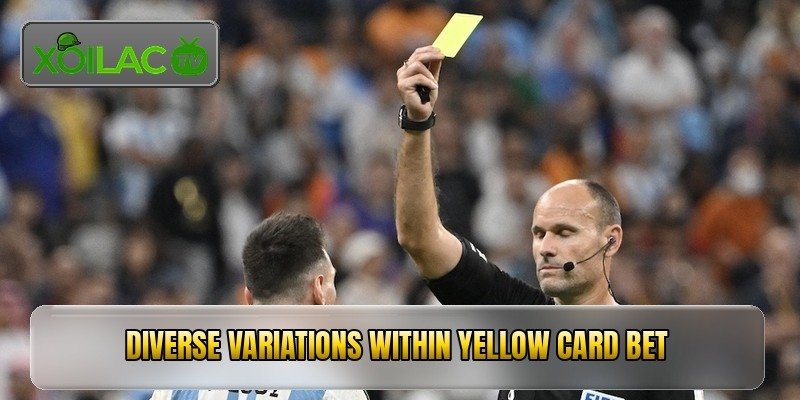
Modern sportsbooks provide numerous ways for brothers to engage with disciplinary markets to maximize potential returns. Checking the Soi kèo bóng đá section helps brothers understand which matches are likely to explode with high tension and frequent bookings.
Total booking points
The most common format assigns ten points for every caution received by players during the official match time. Brothers calculate these points to see if the final tally exceeds the specific threshold provided by the trading experts.
Red cards usually carry a significantly higher weight, typically counting as twenty-five points, while a direct second caution leading to an expulsion caps at thirty-five total points for that single individual. Sharp analysts pay close attention to referee assignment data, since strict officials frequently push total points well past standard market expectations in intense derby encounters.
Over under markets
Yellow card bet remains incredibly popular in this format where brothers simply predict if total cards are above or below a number. This simple approach allows brothers to focus on the overall heat of the match rather than specific individual player actions.
Tactical matchups heavily dictate these totals, especially when high-pressing teams face direct, counter-attacking opposition prone to drawing cynical stopping fouls. Monitoring in-game momentum swings also provides profitable live-betting entry points, particularly when early cautions force defenders into riskier, card-worthy challenges late in the second half.
Individual player bookings
Brothers can also place wagers on specific troublemakers who are known for getting into trouble with the officials frequently. Identifying players who commit tactical fouls or possess short tempers significantly increases the winning probability for these high-odds disciplinary markets.
Direct positional match-ups serve as the primary catalyst here, such as an aggressive full-back tasked with containing an agile, foul-drawing winger across ninety minutes. Value emerges when bookmakers fail to price in historical head-to-head grudges, persistent accumulation warnings from the referee, or the strategic necessity of taking an intentional card to disrupt a goal-scoring break.
| Bet Type | Risk Level | Potential Return |
| Over Under | Medium | Balanced |
| First Card | High | Very High |
| Booking Points | Low | Stable |
| Player Card | Very High | Massive |
Card handicap betting
This method involves giving one team a virtual advantage or disadvantage regarding the number of cautions received during the game. Brothers analyze which side is more likely to dominate possession while the other side resorts to constant foul play.
Tactical analysis for Yellow card bet
Tactical analysis for Yellow card bet
Focusing on the technical aspects of the game helps brothers avoid common pitfalls when analyzing disciplinary statistics for upcoming matches. This section breaks down the specific factors that influence how many bookings occur within the ninety minutes of play.
Referee officiating styles
Every official has a different threshold for what constitutes a cautionable offense during a professional football match. Brothers must research if the assigned referee is strict or lenient before committing any funds to a specific card market.
Historical referee statistics provide crucial clues, detailing an official’s average yellow cards per fixture and their tendency to award early warnings versus setting immediate boundaries. Understanding whether a referee prefers letting the game flow or brandishing cards to regain match control helps bettors accurately gauge total line volatility.
Derby match intensity
Local rivalries often lead to a significant increase in the frequency of a Yellow card bet winning due to high emotions. Players usually play with more aggression in these games which leads to more mistimed tackles and subsequent disciplinary actions.
Hostile stadium atmospheres and historical animosities quickly amplify on-pitch skirmishes, turning routine collisions into heated mass confrontations. Even typically disciplined players can lose composure under derby pressure, making higher card lines and multi-card scenarios far more likely across the full ninety minutes.
Tactical foul requirements
Teams that utilize a high-pressing system often commit more fouls to stop dangerous counter-attacks from their opponents. Brothers should look for tactical setups where defenders are frequently left isolated against fast attackers to find value in card markets.
Defensive midfielders and wide full-backs carry the highest booking risk in these systems, as they are routinely forced to take cynical “professional” fouls to halt attacking transitions. Recognizing when an underdog possesses rapid pace on the break highlights prime opportunities to target booking odds on transition-stopping specialists.
Critical match importance
In knockout stages or relegation battles the stakes are much higher which often translates into more desperate defensive actions. Brothers notice that tension increases as the clock winds down which often results in multiple bookings during the final twenty minutes.
Time-wasting tactics, persistent dissent against referee decisions, and deliberate delays to preserve narrow aggregate leads frequently trigger consecutive cards late in the game. These desperation fouls and emotional flare-ups create ideal conditions for late-match card totals to surge past pre-game lines.
Weather and pitch conditions
Adverse playing conditions such as heavy rainfall, waterlogged surfaces, or freezing temperatures drastically alter the physical nature of tackling. When the pitch loses traction, players frequently misjudge sliding challenges and commit clumsy, high-impact fouls that leave referees with little choice but to reach for their pockets.
Slippery turf accelerates the pace of the ball while compromising defensive stability, forcing panicked defenders into late lunges against slippery attackers. Brothers who factor in sudden weather changes gain a sharp edge, as deteriorating ground conditions consistently inflate foul counts and increase disciplinary action throughout the fixture.
Conclusion
The intensity of a Yellow card bet transforms every whistle into a moment of pure adrenaline for brothers watching the pitch. Forget typical goals or corners because tracking the discipline of twenty-two players requires a sharper eye and deeper tactical understanding. Put your knowledge of referee temperaments to the test and dominate these specific markets with calculated precision today.